If there’s one thing nearly every town in Taiwan seems to have, it’s a delicacy it claims as its own. In some cases, the association seems contrived. But when it comes to Chiayi, its claim to fame is unquestionably well-earned. Chiayi Turkey Rice (嘉義火雞肉飯, jiayi huoji roufan) – the city’s iconic dish – lives up to its name and reputation. Located three hours south of Taipei by car, Chiayi has made this humble yet flavorful dish a cornerstone of its culinary identity.
For many local diners, the dish ticks all the major boxes. When prepared well, it satisfies without being overly oily, salty, or sweet. For curious first-time customers and long-time foodies alike, Chiayi – standing at the center of the island’s turkey-farming region – boasts an exceptional concentration of eateries serving steamed white rice topped with finely shredded turkey meat.
Chiayi Turkey Rice’s legacy extends far beyond its hometown, tracing its roots to a fascinating history of turkeys in Taiwan. The dish’s rise to prominence is closely tied to the postwar boom in turkey farming, a phenomenon that transformed this once-rare poultry into a staple of Taiwanese cuisine.
One notable origin story of Taiwan’s turkey population dates back to the Dutch East India Company’s occupation of Tainan (1624–1662), during which the first turkey is said to have been consumed on the island. Another retelling mentions the interpretation of “long-necked birds” in Qing-era documents as evidence that turkeys were being raised on southern Taiwan in the late 18th century.
What’s known for sure, however, is that by 1921, the Japanese colonial authorities on Taiwan were encouraging rural households to raise turkeys as a sideline. The birds had a diverse economic value, from producing meat and eggs to stuffing bedding and upholstery, made possible by instructing farmers to process the feathers for other uses.
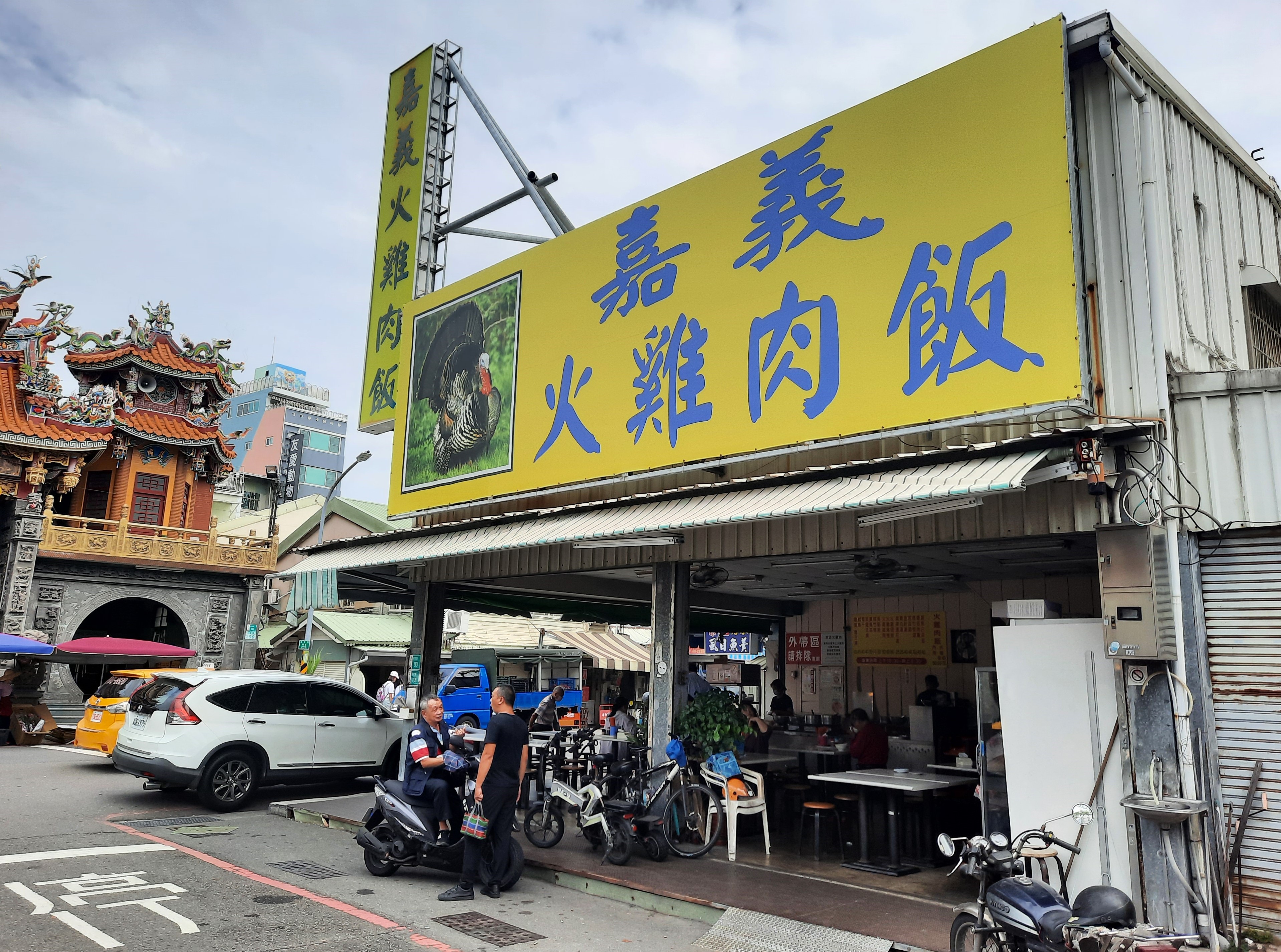
Domestic production of turkeys multiplied after World War II, as the island’s human population grew and meat became more of a dietary staple, with hefty turkeys even finding their way to temples as food offerings.
It seems that Thanksgiving purchases by American military personnel stationed on the island between the early 1950s and the late 1970s, combined with exports to Hong Kong, were enough to push up prices ahead of each holiday season. According to a 2015 paper by Chen Yuan-peng, a professor of history at National Dong Hwa University, Taiwanese consumers of that era weren’t always aware they were eating turkey, as the meat was often processed into nuggets, steaks, or hams…
To read the rest of this article, pick up the January 2025 issue of Taiwan Business Topics, or click here.
 Steven Crook