After a long struggle to tackle e-waste, Taiwan, particularly through the Ministry of Environment, has managed to get both manufacturers and the general public to follow proper recycling practices, understand the harm caused by improper disposal of electronic devices, and comply with product take-back and recycling regulations.
According to the Executive Yuan, last year’s recycling rate for discarded electronics and household appliances was around 85.9%, possibly the highest in the world. The International Telecommunication Union reported that Europe, the leading region in e-waste recycling, had an average documented recycling rate of 42.8%, while the global average only reached 22.3%. A combination of public awareness, corporate responsibility, and government regulations in Taiwan is paving the way for even greater progress.
The system in place does a good job when it comes to recycling devices, such as laptops and smartphones. However, like most of the industrialized world, Taiwan is bracing for a vast increase in the number of batteries requiring disposal as electric vehicles (EVs) replace those that burn gasoline or diesel. The annual volume of waste batteries in Taiwan is expected to grow from around 792 metric tons in 2023 to 2,020 metric tons in 2025, and as much as 48,077 metric tons in 2035.
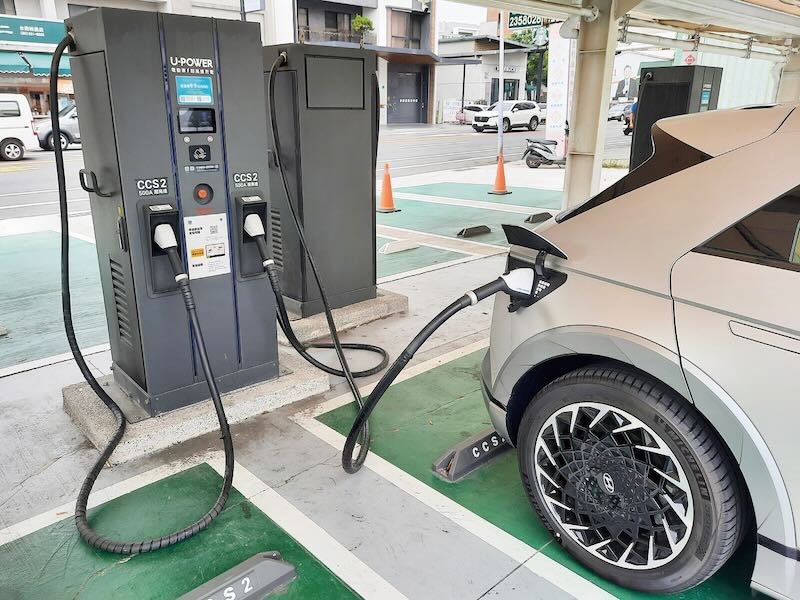
Most EVs are powered by lithium-ion cells due to their high energy density and efficiency. Around 85% of global lithium production goes into batteries, as does 70% of the world’s cobalt, which provides stability to the battery, and more than 10% of its nickel. There’s enough extractable lithium for every household on the planet to own an EV, yet there are concerns about mining and refining capacity.
Some analysts have warned of a production bottleneck as early as next year. The bottleneck is not the availability of lithium itself, but the infrastructure needed to extract and refine it at a pace that can keep up with rising global demand. Even if they are wrong, two compelling arguments support retrieving and reusing lithium from end-of-life batteries.
The first is strategic: China dominates the global lithium refining industry…
To read the rest of this article, pick up the September issue of Taiwan Business Topics, or click here.
 Steven Crook